October 13 - 17, 2026
WHERE THE WATER WAS
We’re running all the way around the Great Salt Lake - and we need your help!
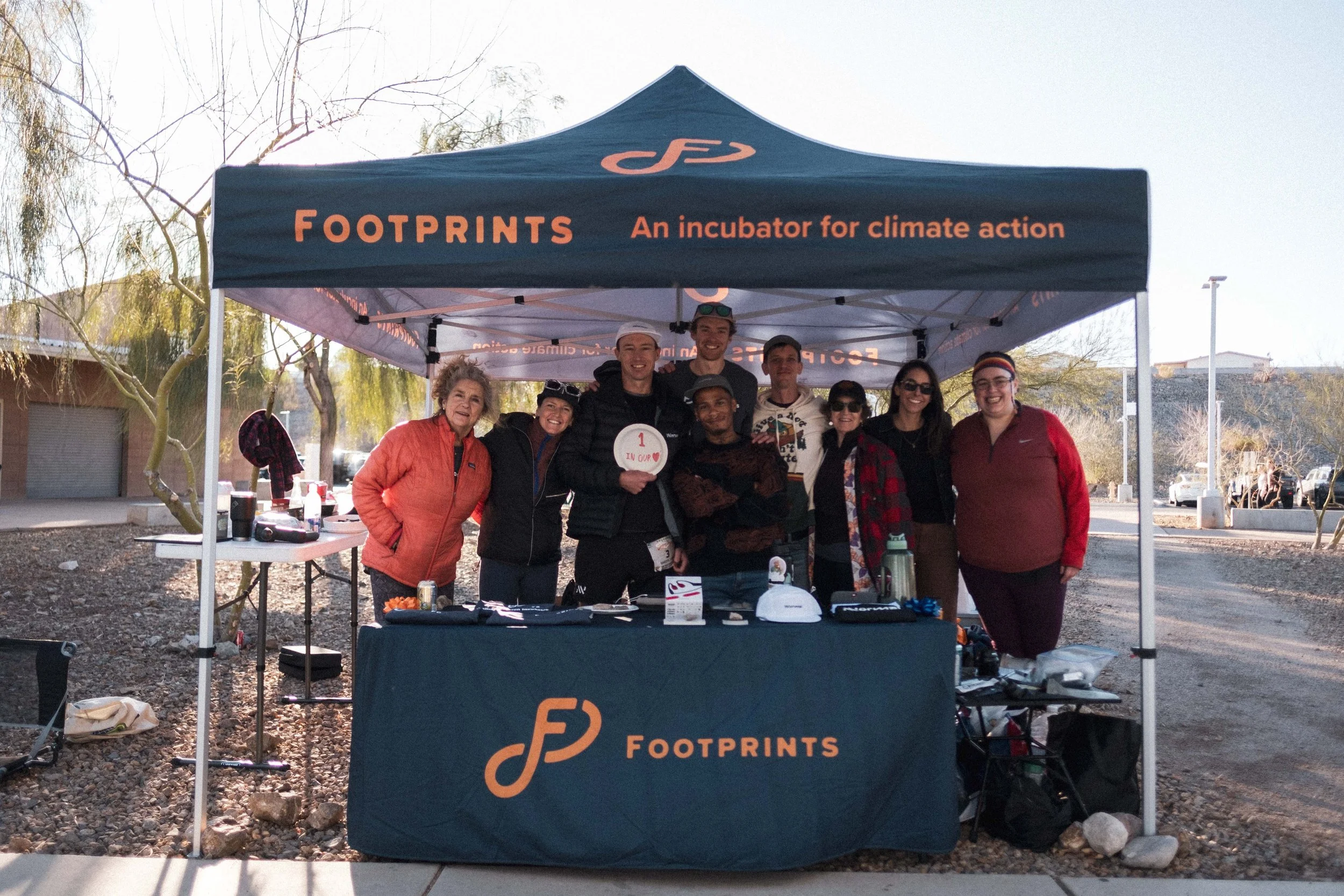
Dakota Jones is a professional ultrarunner and co-founder of Footprints, a nonprofit that helps runners turn their platforms into community climate action. This October, he's leading a group run with local changemakers around the entire Great Salt Lake, 256 miles over 5 days, starting and finishing at the Utah State Capitol.
Support our calls to action here!
1) Support our fundraiser for the lake
2) Sign the People’s Charter for the Great Salt Lake
3) Vote for Great Salt Lake champions in the midterm elections on November 3
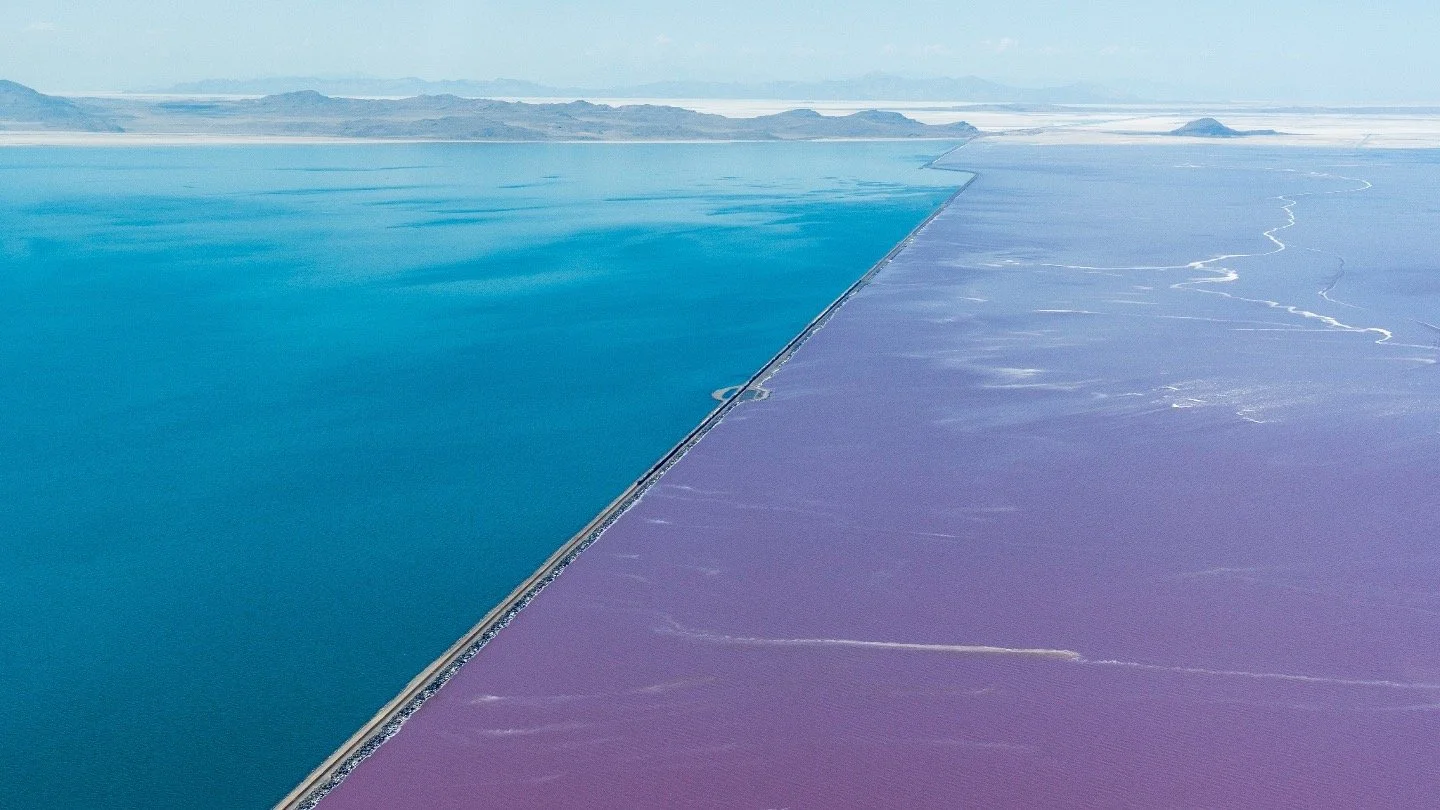
The lake is shrinking primarily because of decades of water policy that send more of its tributaries to farms, lawns, and cities than it can spare and, secondarily, because of climate change. As the lakebed dries out, wind lifts arsenic and other heavy metals off the exposed ground and carries them toward the same communities along the Wasatch Front, landing hardest on neighborhoods with the fewest resources to cope with it.
The lake also anchors a $1.3 billion regional economy: it's critical habitat for millions of migrating birds, it feeds a brine shrimp industry sold worldwide, and its lake-effect snow adds 5–10% of Utah's snowpack, stretching the ski season by 5–7 weeks and supporting 20,000 jobs.
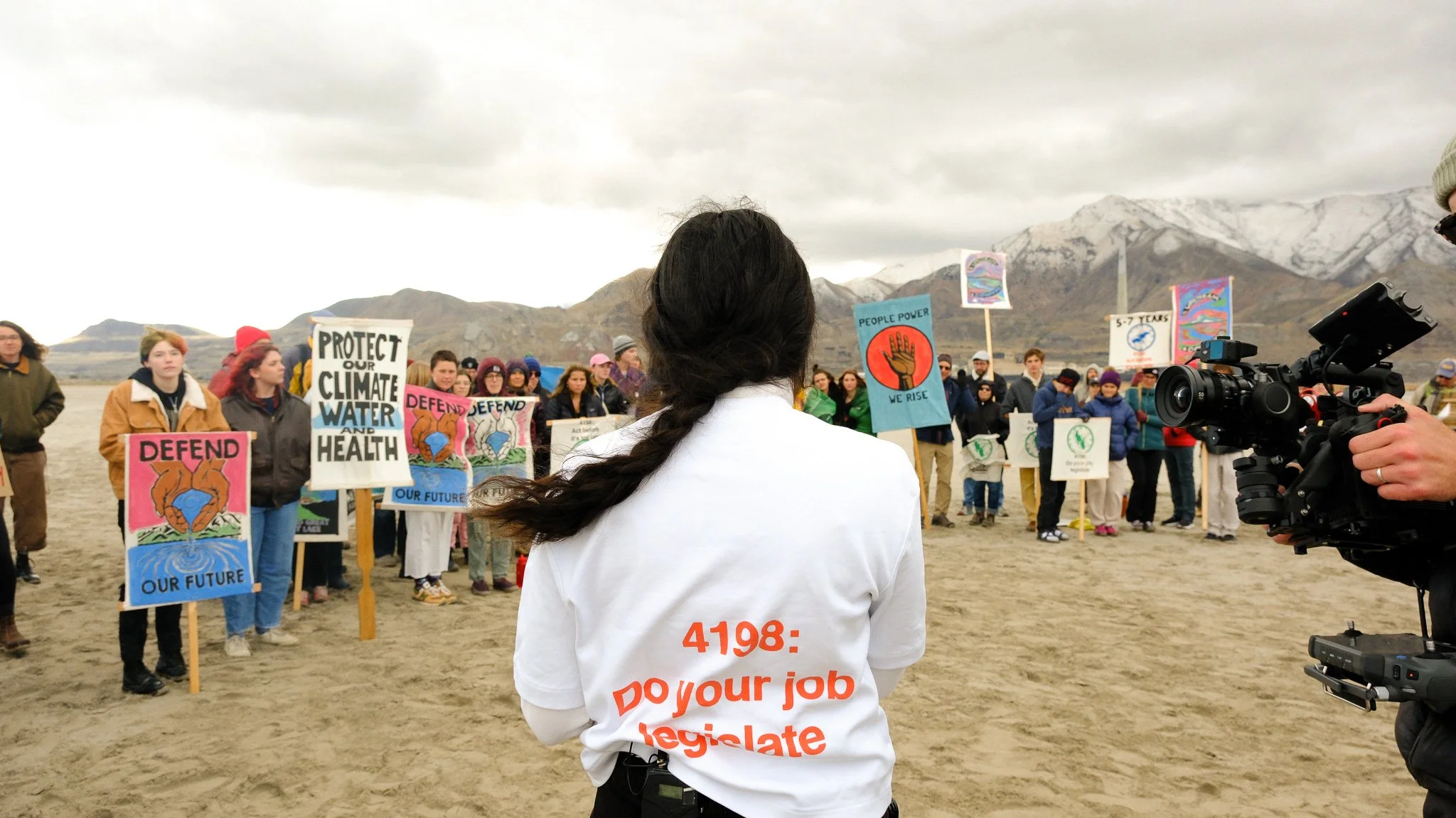
None of this is starting from zero. Utah has already made real progress on the lake. These local organizations will be joining Dakota around this route to share their stories. We need your help to bring their work to life. The map below exists to show exactly where and what you can do to save the Great Salt Lake.